
For Love or Money ~ Balancing Business with Creativity
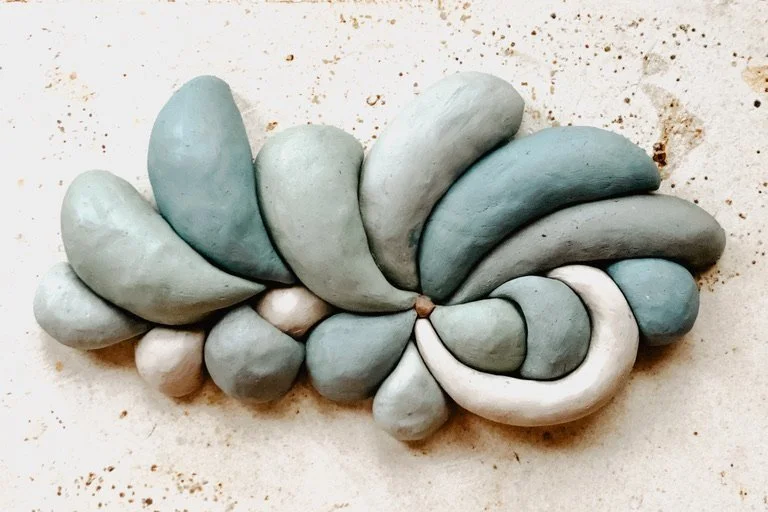
Do you question whether you should be making art which has been proven to sell, or spend time tapping into a more uncertain creative endeavour?
As someone who both makes a living in a creative industry AND promotes the need for creative play; I’ve given this a lot of thought!
This post discusses the key things I consider important in this intersection, aims to challenge some commonly held beliefs and offers a Cheat Sheet to the way I keep things fairly balanced.
A few factors to consider;
Privilege
Important to note is the difference on whether you have pressure to earn an income with your time, or whether you can afford to be creative without much consideration of money. Suffice to say, there is a lot more opportunity for creative exploration if you do not have to consider income at all.
Time
If you have specific commitments to meet within your business, and have less time to make the things you would like to, this might be another restrictive condition. You may first have to be creative in finding a way around the problem if this is you.
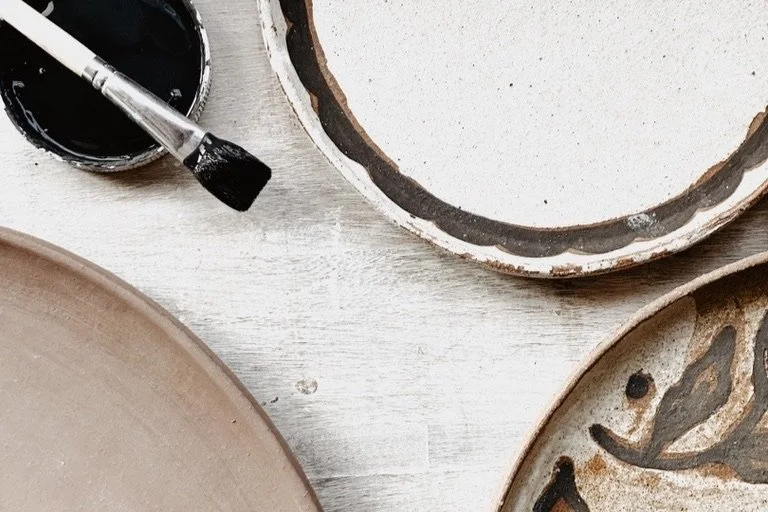
Challenging our Presumptions
A common presumption people make is that the work they are known for will sell, and their exciting new ideas do not have an audience. This assumes that your audience expects you to stay the same.
It is true that some may. It is highly possible however, that many will enjoy seeing a new direction from you, and that you may also attract a new audience.
I chose for River Ceramics to be an explorative dynamic model. I felt this would free me from the idea that I would have to keep making the same popular things. I wanted to attract an audience who WANTED to see evolution and change.
I acknowledge that this may lose some sales, though trust that it will also gain interest.
I first found confidence with this way of thinking when I was a building designer. I had strong ideas around what I wanted my first Design / Construct to entail, and was warned off this atypical style by a real estate agent. He presented the logic that everyone was building houses with a particular shape, and particular number of bedrooms (whether they wanted it or not) because otherwise they were afraid that nobody would buy it when it came for resale. My thinking was that if I designed and built what I really liked, then surely it would be right for others too? Of course that worked out perfectly well, and it was a sought after house for its differences when it came to sell.
I think it is important that we challenge any presumptions we make on market preferences and expectations. Consider testing your new ideas in small batches, or as works-in-progress through friends, social media, retail outlets or markets.
The Importance of Creative Play
Some of you would already know that I talk and write about Creative Play a lot, as I passionately believe in the necessity of having some time creating without attachment, in order to develop as an artist. In my course ‘Creative Clay & Introducing Sgraffito’ I have a whole module dedicated to the concept.

Including Creative Play might mean 100% of your time or 2% of your time. That is up to you, and dependent on your situation. I am confident however, that by following creative leads and cultivating a state of flow, it helps us to access creative ideas which might otherwise be out of reach.
The results of this time may be for your eyes only, may become your biggest hit, or more likely, lead to interesting ideas that you would like to develop further. I go into this idea and include a stack of examples and suggestions within my blog Failure & Creativity: Why Making ‘Bad Art’ Leads to Innovation and Originality
This Instagram post is another place where I raise questions around this topic that I ponder sometimes. There were lots of great thoughtful comments added.
Finding a Balance
The reality is that income is an important part of my business, and so is creative play. Like all things, I land in the middle of the road.
My Balance Cheat Sheet
I only make / remake things I’m interested in and still enjoying. I don’t make things I am sick of, or commit to huge orders made up of the same design. If I have a big order, I generally suggest variations of small batch pieces which most people prefer anyway.
If I am making a batch of similar designs, I often make little variations in small numbers to explore the designs further. This creates collections and can really help to expand creative ideas.
I always ensure there is time for creative play within my week and accept this won’t necessarily lead to any tangible results. Best results come without attachment, and the tangible results may well be rubbish art! It’s all about the process and the freedom.
In my Clay Studio, I like to take advantage of any mistakes to practise something new. A dented cup can become a chance for a wild and interesting idea.
I look for opportunities to be creative in our family outings at the beach, river or forest. Playing with sandcastles, making wild clay creatures or weaving wreathes is all contributing to a creative mind and helping to think in new ways.
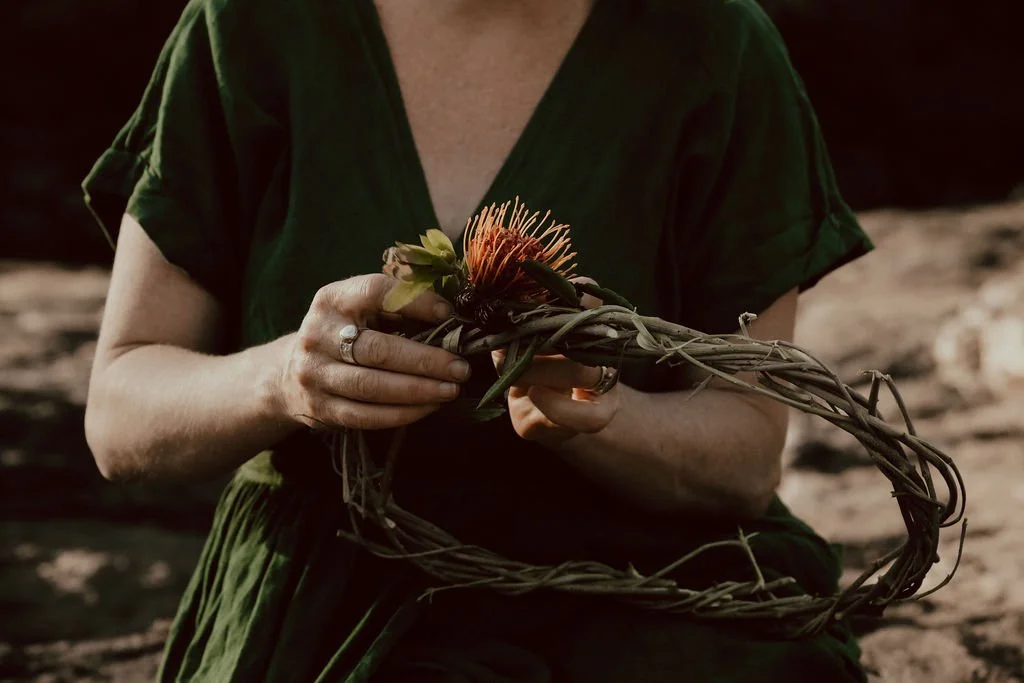
If you would like a copy of my ‘7 Steps to Creativity’ for more ideas on developing a Creative Mindset you can subscribe to my course page here.
I feel it is important to try and stay in touch with the passion that brought you to your chosen medium. Playfulness can often be the balance to the more mundane tasks and repetitive jobs that all small businesses entail. Although it may not be realistic to spend all of your time creating new ideas, I do feel that it is essential to prioritise time for Creative Play within your work week. This can cultivate growth, joy and productivity overall.